
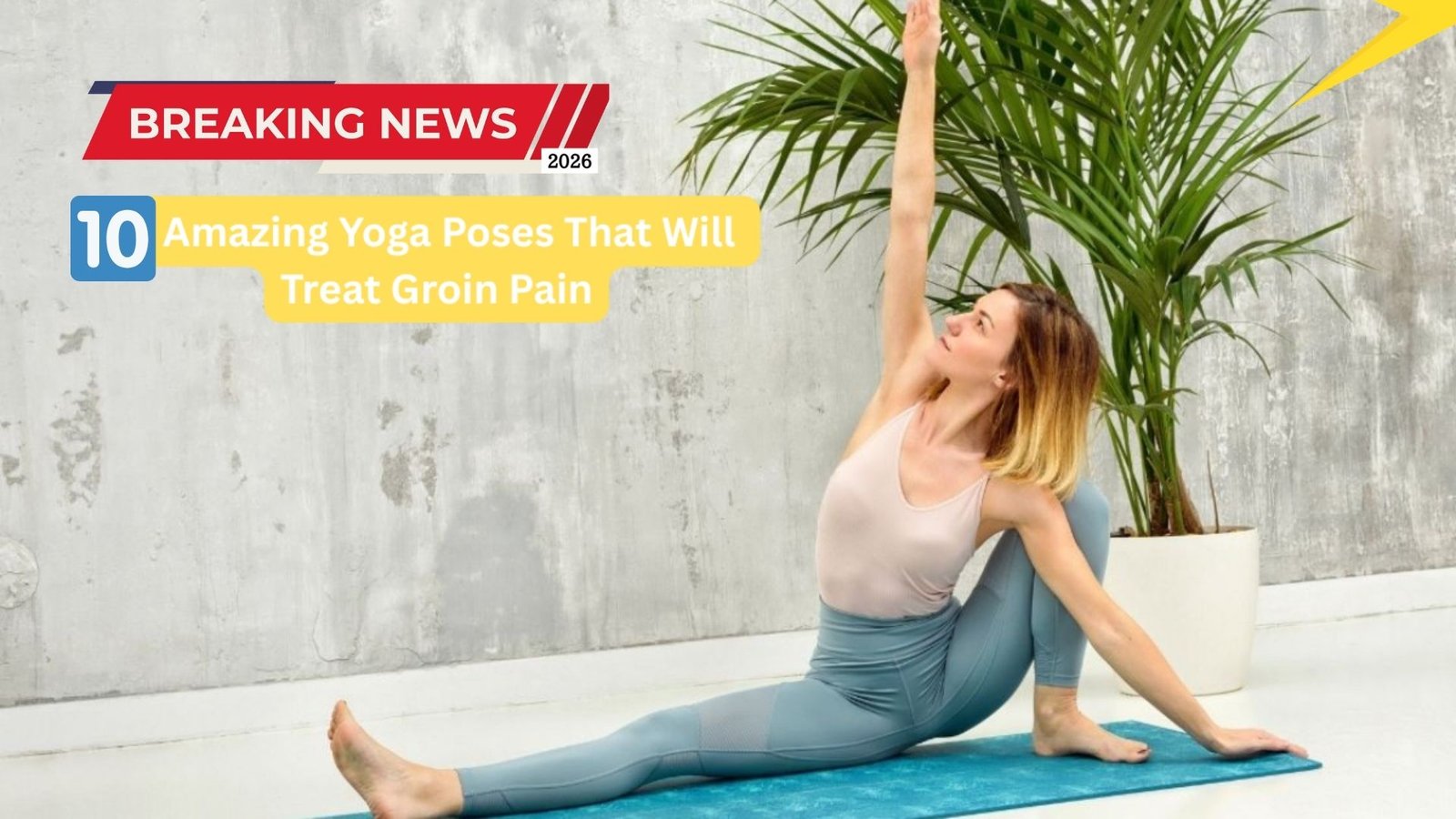
Groin pain can make simple daily activities feel difficult. Whether you feel discomfort while walking, exercising, sitting for long hours, or even getting up from a chair, this issue affects many people. Common causes include tight inner thigh muscles, limited hip movement, overuse from sports like running or soccer, or spending too much time sitting. While complete rest helps in the beginning, gentle yoga poses provide a natural way to ease groin pain. These poses improve blood flow, gently release tight muscles, and bring back smooth, balanced movement without putting extra pressure on the body.
Why Groin Pain Happens
The groin area links the inner thighs to the hips and pelvis. These parts play a big role in everyday movements like walking, running, climbing stairs, and keeping the body stable. When the muscles in this region become tight, weak, or strained, pain can start suddenly. Factors like stress and bad posture add more tension to the hips and inner thighs. Gentle yoga first helps calm the nervous system, which allows the muscles to relax naturally instead of staying tight and resistant.
Why Yoga Is Effective for Groin Pain Relief
Yoga works better than regular stretching for many people because it combines slow, mindful movements with deep breathing. This approach increases blood circulation to the affected groin area, reduces swelling, and helps lubricate the joints. With regular gentle practice, the muscles around the hips and thighs become stronger, lowering the chances of pain coming back. The key is to move slowly, listen to the body, and use supports like cushions or blocks whenever needed.
Here are some visual examples of effective poses that target groin pain relief:
Here are gentle examples of Butterfly Pose (Baddha Konasana), a classic for opening the inner thighs:

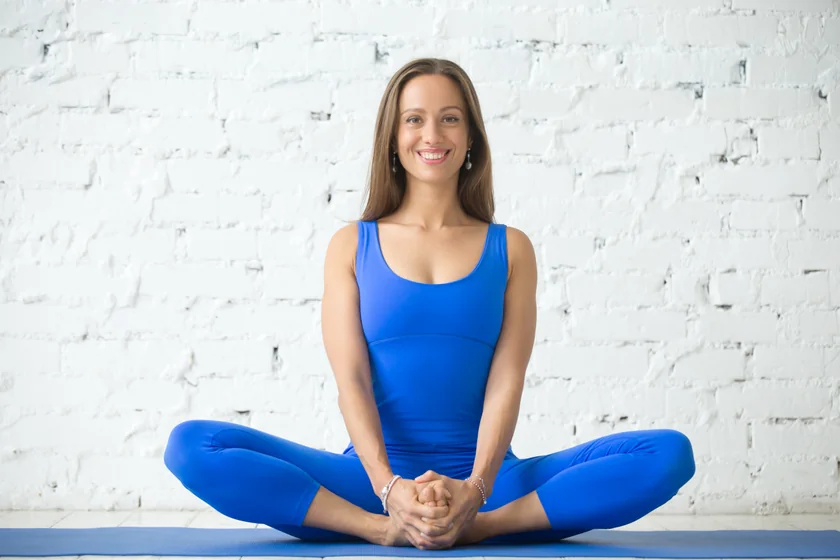
Butterfly Pose for Inner Thigh Release
Butterfly pose stands out as one of the best options for easing groin pain. Sit on the floor and bring the soles of your feet together. Let your knees gently fall outward. If your knees feel high or uncomfortable, place cushions or folded blankets under them. This support lets the inner thigh muscles relax without any force. Stay in the pose with slow breathing, feeling the gentle opening in the groin area. This pose is safe even when mild pain is present because it avoids any aggressive pulling.
Seated Wide-Leg Forward Fold for Gentle Stretching
This pose gives a safe stretch to the inner thighs while keeping the hips in a stable position. Sit with your legs spread wide apart in a comfortable V shape. Keep your back straight at first, then slowly fold forward only as far as feels good. Avoid pushing or rounding too much if it causes discomfort. The gradual release helps loosen groin tension over time without risking strain.
Here is how the Seated Wide-Leg Forward Fold looks in practice:

Upavistha Konasana – Wide-Angle Seated Forward Bend Pose – YOGATEKET
Supine Figure Four for Hip and Groin Balance
Lie on your back for this relaxing stretch. Cross one ankle over the opposite thigh, creating a figure-four shape. Gently pull the bottom leg toward your chest if you want a deeper but still gentle stretch. The floor supports your whole body, so there is no extra pressure on the groin or hips. This pose balances the stretch between the inner and outer hip areas, making it very helpful for overall relief.
Check out these examples of Supine Figure Four for reference:

Fitness Experts Share 16 Yoga Poses to Loosen Tight Hips
Low Lunge With Soft Support for Hip Flexibility
A soft low lunge opens the front of the hips, which often reduces strain on the groin during walking or running activities. Step one foot forward into a lunge position, keeping the movement slow. Place your hands on blocks or the floor for support. Keep the back knee down if needed. This gentle version improves hip flexibility without overextending the sensitive groin muscles.
Child’s Pose With Wide Knees for Deep Relaxation
Spread your knees wide in Child’s Pose while keeping your big toes touching. Fold forward and rest your forehead on the floor or a cushion. This variation gently opens the inner thighs and groin area while letting the whole body rest. It is especially useful when pain comes from built-up tension or tiredness after a long day.
Reclined Butterfly Pose for Healing and Recovery
This restorative version is perfect for recovery. Lie on your back, bring the soles of your feet together, and let your knees fall open. Support the knees with pillows or blocks so gravity does the gentle work. This pose allows deep, passive stretching of the groin muscles over several minutes. It is ideal for evening routines or days when you need extra healing time.
See how supportive Reclined Butterfly Pose can be:
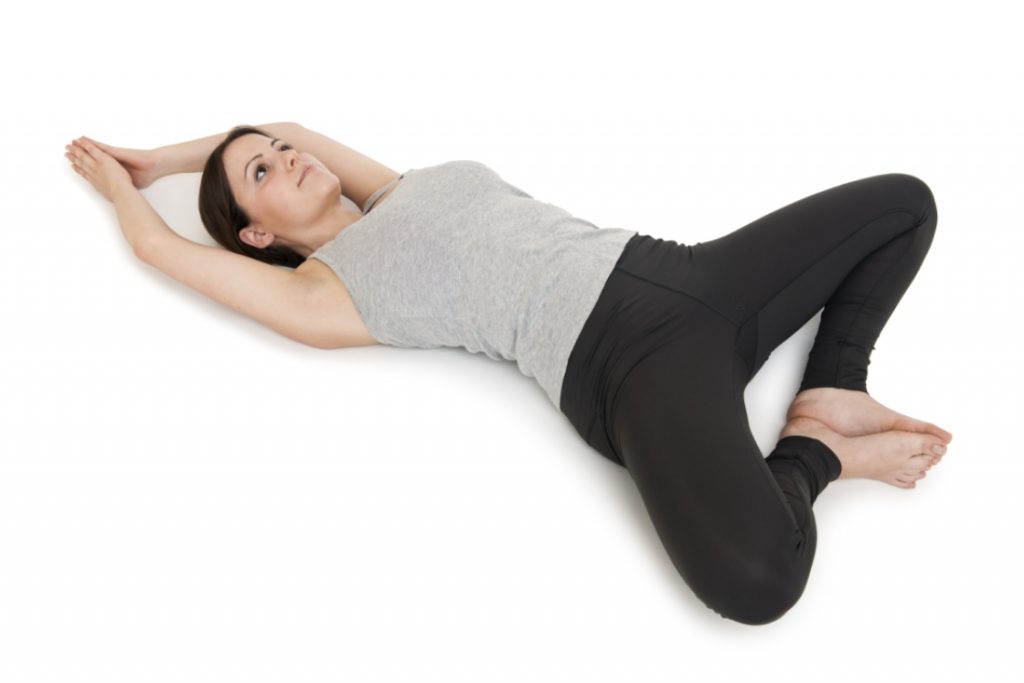
Reclining Butterfly Pose (Supta Baddha Konasana): Steps and …
Side-Lying Inner Thigh Stretch for Targeted Relief
Lie on your side and slowly lift the top leg upward, then bend the knee to bring the foot toward the back. This movement targets the groin muscles directly. Keep everything slow and controlled to let the muscles release safely without loading the joints.
Supported Squat for Functional Strength
Hold onto a chair or use blocks under your hips in a supported squat. Lower down gently until you feel a comfortable stretch and strengthening in the groin area. This pose helps restore natural hip and groin mobility while building a bit of strength. Keep your heels down if possible, and use support to stay safe.
Here are practical views of Supported Squat (Malasana variation):
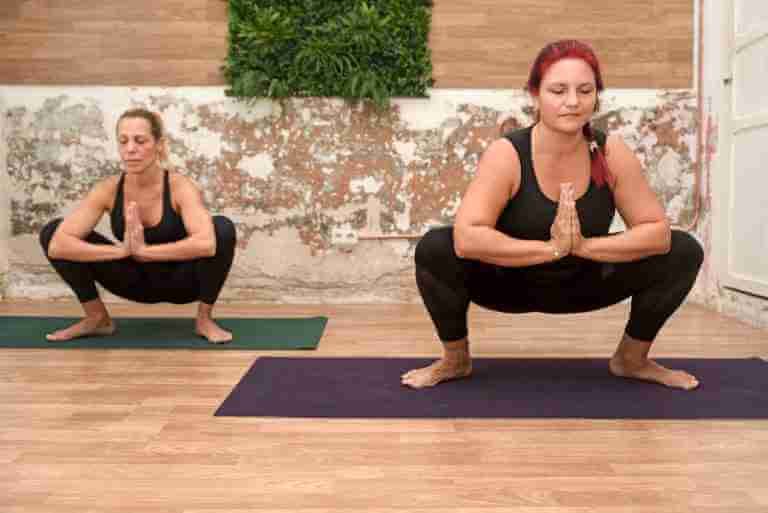
Yoga Squat Pose Benefits and How to Do Malasana
How Long to Hold These Poses
Hold each pose for 30 to 90 seconds while breathing slowly and deeply. Always choose comfort over depth. Props like pillows, blankets, or blocks help the muscles relax more easily and deeply.
Breathing Tip That Speeds Healing
Focus on slow breathing through the nose. Inhale for four counts and exhale for six counts. Longer exhales turn on the body’s natural relaxation mode, helping tight groin muscles soften much faster.
Common Mistakes to Avoid
Never bounce in the poses, force yourself deeper, or push through sharp pain. The groin muscles respond best to patient, gentle pressure. If you feel sharp or worsening pain, stop right away and rest.
Who Should Practice These Poses
These gentle poses suit athletes, regular walkers, runners, people with desk jobs, older adults, and anyone dealing with mild to moderate groin discomfort. They are beginner-friendly and easy to adjust with supports.
Conclusion
Gentle yoga offers a safe and natural approach to handling groin pain. These ten poses help release tight inner thigh muscles, improve hip mobility, and support the body’s healing process without any strain. When practiced regularly and mindfully, they reduce discomfort, bring back confidence in daily movements, and help the body regain balance. Start slowly, use supports as needed, and focus on comfort for the best results going forward.