
Hip stiffness makes everyday movements difficult. Many people try stretching to fix tight hips, but they often find little lasting relief. In some cases, forceful stretching even makes the stiffness worse. The key difference lies in how the body responds. Stiffness in the hips is not just about tight muscles. It involves the nervous system protecting the joints due to long sitting, stress, repetitive activities, or fatigue.
Yoga offers a smarter way to ease this problem. Instead of forcing the muscles to lengthen, yoga calms the nervous system first through slow breathing and gentle movement. This relaxed state allows the hips to release naturally and more quickly. Many feel noticeable improvement in minutes rather than waiting weeks for results from traditional stretching.
Why Traditional Stretching Often Falls Short
When hips feel tight, the body activates a protective response. This tension guards the joint from possible injury. Aggressive stretching pushes against this natural guard, causing the muscles to tighten more as a reaction. Long hours of sitting shortens hip flexors, while stress adds extra guarding. Simple static stretches do not address these deeper layers, which is why relief remains temporary or incomplete.
Yoga changes this pattern completely. By focusing on relaxation and breath awareness, it signals safety to the body. Muscles soften when the nervous system shifts from fight-or-flight to rest-and-digest mode. This approach improves blood flow, lubricates joints, and reduces protective tension far more effectively.
Here are some images showing proper form for key poses:
Here are gentle examples of Standing Forward Fold:


Standing Forward Fold for Quick Hip Release
This pose helps hips and lower back soften almost immediately. Stand with feet hip-width apart and slowly bend forward from the hips. Keep knees slightly bent to avoid any strain. Let the head and arms hang heavy. Gravity does most of the work here. Many people notice their pelvis relaxing after just a few deep breaths. This pose is especially useful after prolonged sitting or standing.
Low Lunge to Release Sitting-Induced Tightness
Low lunge directly targets the front hip muscles that shorten from desk work. Step one foot forward into a lunge position while keeping the back knee on the ground. Shift hips gently forward and breathe deeply. Move slowly rather than pushing hard. This controlled approach releases tension faster than holding a static stretch. Regular practice helps undo the effects of daily sitting.
Check these visuals for Low Lunge alignment:
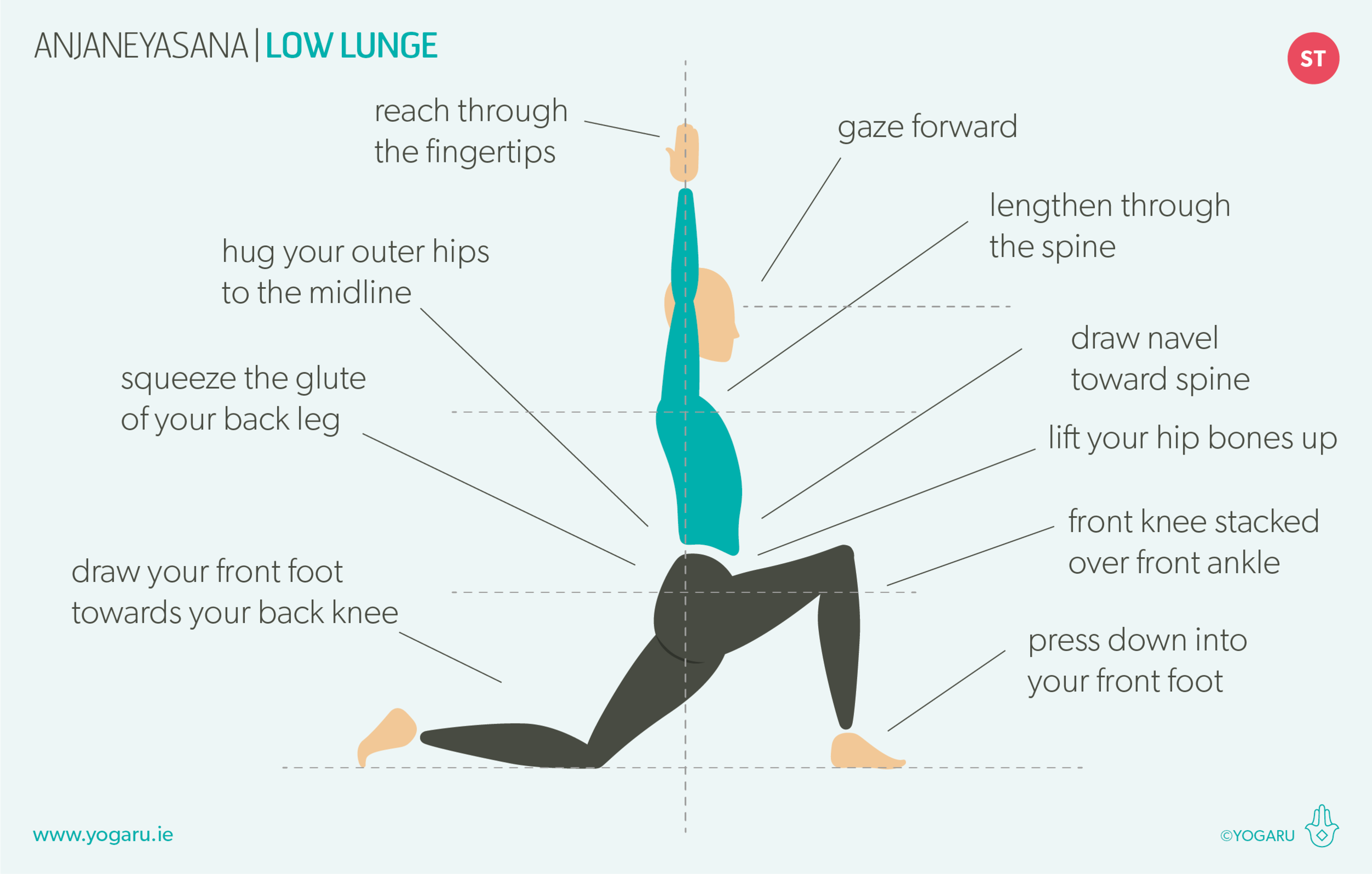
Anjaneyasana – Low Lunge — YOGARU
Butterfly Pose for Inner Hip and Groin Opening
Sit on the floor with soles of feet together and knees falling outward. Hold feet gently and let knees drop naturally. Use cushions under knees if needed for comfort. Gravity pulls the inner thighs open without force. This pose brings freedom to tight groin areas quickly. Breathe slowly to deepen the relaxation.
These images demonstrate Butterfly Pose variations:

A Better Butterfly Stretch for Tight Hips
Seated Figure Four for Outer Hip Relief
Cross one ankle over the opposite thigh while seated. Gently press the raised knee away for a stretch in the outer hip and glutes. This targets the areas that feel locked after repetitive movements. The supported position allows quick release without strain.
Cat-Cow Movement to Lubricate Hip Joints
On all fours, alternate between arching and rounding the back slowly. This gentle spinal motion increases circulation around the pelvis. Joints receive fresh lubrication with each cycle. Stiffness often melts away faster than with held stretches.
Wide-Knee Child’s Pose for Complete Relaxation
Spread knees wide, sit hips back toward heels, and extend arms forward. Rest forehead on the floor or arms. This pose lets hips open softly while the whole body unwinds. It works well when stiffness connects to stress or tiredness.
Supine Knee-to-Chest Hug for Instant Decompression
Lie on your back and draw both knees toward the chest. Hug them gently. The floor supports the body fully, so hips relax right away. This simple position releases pressure from the lower spine and hips.
Supine Spinal Twist for Restoring Natural Rotation
Lie on back, draw one knee across the body, and look in the opposite direction. This gentle twist returns lost rotation to hips and spine. Mobility improves without any harsh pushing.
The Power of Proper Breathing in Yoga Practice
Breathing makes all the difference. Try slow nasal breaths: inhale for four counts and exhale for six. Longer exhales calm the nervous system quickly. This simple technique speeds up hip release more than stretching without breath focus.
How Long to Practice for Noticeable Results
Short sessions bring fast changes. Practice these poses for just 5–10 minutes daily. Frequent gentle work outperforms occasional long sessions. Consistency helps hips stay open longer.
Common Mistakes to Avoid for Better Progress
Avoid forcing depth into poses. Never hold the breath or push through pain. Comfort guides the practice. Staying relaxed allows the nervous system to cooperate fully.
What You Can Expect When Relief Arrives
Hips start feeling lighter and more mobile. Walking becomes smoother and easier. Posture improves naturally. Lower back strain reduces significantly. Many also enjoy better sleep and less daily restlessness.
Conclusion
Hip stiffness often resists traditional stretching methods because it involves nervous system protection. These yoga poses work differently by first calming the body, then allowing natural release. Gentle movements combined with deep breathing bring faster and more comfortable relief. Regular short practice helps maintain open hips and supports everyday comfort moving forward. Listen to your body and start gently for the best results.