
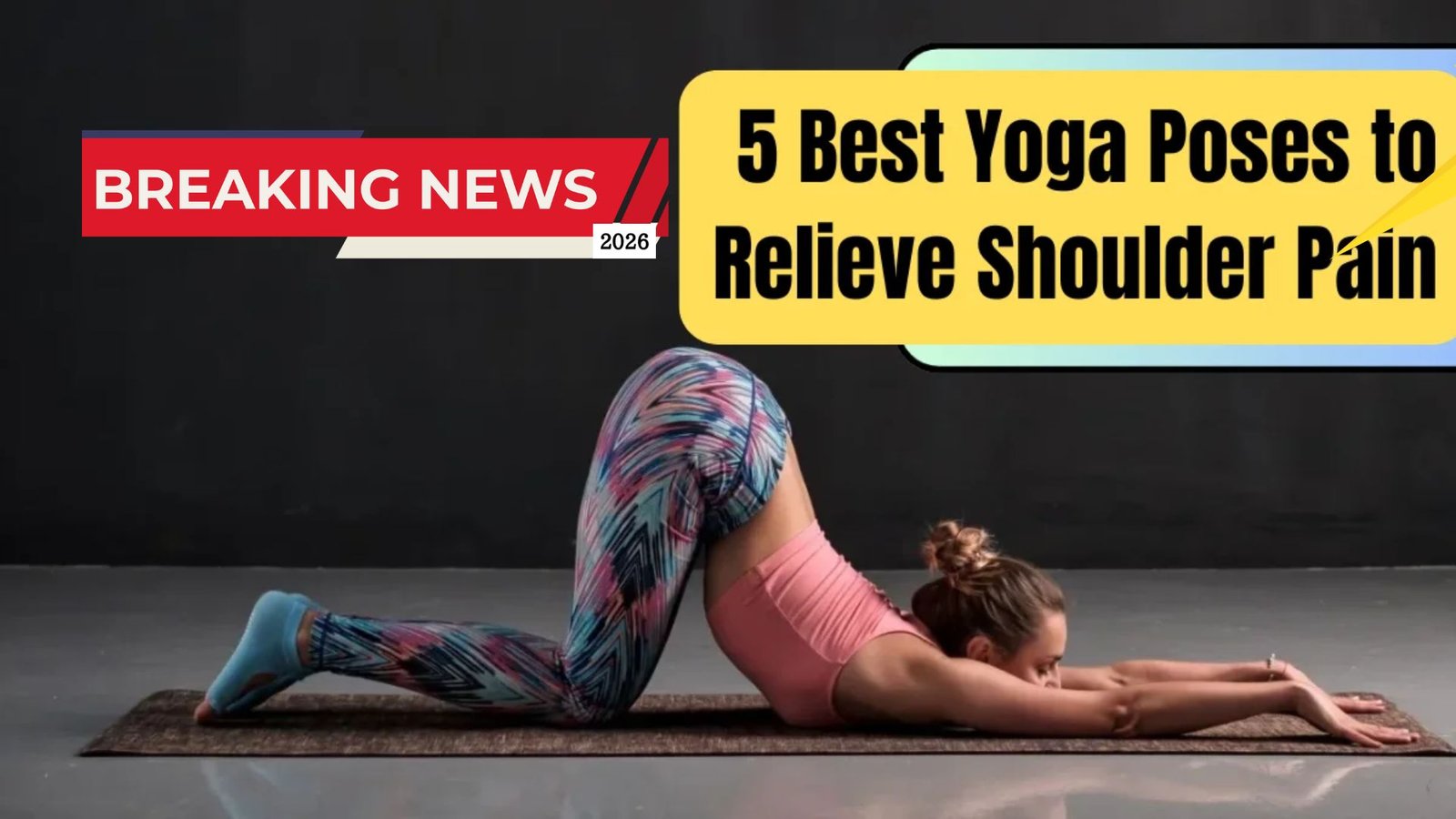
Shoulder pain has become one of the most common physical problems in everyday life. Long hours at a desk, constant mobile phone use, poor posture, stress, lack of movement, and even sleeping in uncomfortable positions slowly put pressure on the shoulder muscles and joints. Over time, this discomfort can turn into stiffness, limited movement, headaches, and long-lasting pain that affects daily activities like lifting objects, driving, working, or even relaxing properly.
Yoga offers a natural and gentle way to deal with this problem. Instead of only covering up pain, yoga works on the root causes by improving posture, increasing flexibility, strengthening supportive muscles, and calming the nervous system. With regular practice, yoga helps release stored tension in the shoulders and neck while improving overall body awareness. This article explains the best yoga poses for shoulder pain and how they can support better shoulder health in a safe and simple way.
Understanding Shoulder Pain and Its Common Causes
The shoulder is one of the most flexible joints in the human body. This flexibility allows a wide range of movement, but it also makes the shoulder more likely to develop strain and discomfort. Shoulder pain often builds up slowly due to daily habits rather than sudden injury.
Some of the most common causes of shoulder pain include poor sitting posture, rounded shoulders while using laptops or phones, long hours of desk work, carrying heavy bags on one side, emotional stress, weak back muscles, and limited joint mobility. These factors tighten muscles around the neck and shoulders, reduce blood flow, and place extra pressure on the joint.
Yoga helps address these problems in a balanced way. It stretches tight muscles, strengthens weak areas, improves body alignment, and encourages mindful movement. This combination makes yoga especially useful for people dealing with ongoing shoulder discomfort.
How Yoga Supports Shoulder Pain Relief
Yoga focuses on slow, controlled movements combined with steady breathing and body awareness. When practiced regularly, it supports shoulder health in several ways. It helps release tight muscles in the shoulders and neck, improves circulation to the joints, and increases flexibility and range of motion.
Yoga also strengthens the muscles of the upper back, which play an important role in supporting the shoulders. Better posture and spinal alignment reduce unnecessary strain on the shoulder joints. In addition, calm breathing helps lower stress levels, which often contribute to muscle tightness in the upper body.
Yoga should always be practiced gently, especially when dealing with pain. Movements should never be forced. The goal is gradual opening and strengthening, not pushing through discomfort.
5 Best Yoga Poses to Relieve Shoulder Pain
The following yoga poses are simple, effective, and suitable for most people. They can be practiced individually or combined into a short daily routine. These poses focus on stretching, relaxing, and strengthening the shoulder area to support long-term comfort.
Child’s Pose (Balasana)
Child’s Pose is a deeply relaxing posture that gently stretches the shoulders and upper back. It allows the body to rest while releasing built-up tension from daily stress.
This pose lengthens the spine and relaxes the neck and shoulders. The forward stretch combined with deep breathing helps calm the nervous system, which reduces stress-related shoulder tightness. It is especially helpful after long hours of sitting or working at a desk.
To practice, kneel on the mat with your big toes touching and sit back on your heels. Stretch your arms forward and rest your forehead on the mat. Let your shoulders relax away from your ears and breathe slowly for 30 to 60 seconds. This pose is ideal for beginners and anyone experiencing stiffness or mental stress.
Thread the Needle Pose
Thread the Needle is a gentle twisting pose that targets the shoulders and upper back. It is known for releasing tightness between the shoulder blades, an area where many people store tension.
This pose improves shoulder mobility and gently massages the upper back muscles. It also supports spinal flexibility, which helps reduce pressure on the shoulders over time. Regular practice can ease stiffness caused by poor posture or repetitive movements.
Start on all fours in a tabletop position. Slide your right arm under your chest with the palm facing up. Lower your right shoulder and ear toward the mat while keeping your hips lifted. Hold for 20 to 40 seconds, then repeat on the other side. This pose is suitable for both beginners and intermediate practitioners.
Eagle Arms (Garudasana Arms)
Eagle Arms focuses directly on the shoulders and upper back. It is highly effective for releasing deep tension caused by repetitive tasks like typing or phone use.
This pose stretches the shoulder blades, upper arms, and back muscles while improving blood flow in the shoulder joint. It also helps increase flexibility and awareness of shoulder alignment.
To practice, sit or stand comfortably and extend your arms forward. Cross your right arm over your left, bend the elbows, and bring the palms together if possible. Lift the elbows slightly and draw the shoulders down. Hold for 20 to 30 seconds before switching sides. This pose works well for people with stiff shoulders from daily work routines.
Cow Face Pose Arms (Gomukhasana Arms)
Cow Face Pose arms provide a deep stretch to the shoulders, triceps, and chest. This posture is particularly useful for improving shoulder flexibility and correcting rounded shoulders.
By opening the chest and shoulders, this pose supports better posture and reduces strain caused by slouching. It also helps balance flexibility between both sides of the body.
Sit upright with a straight spine. Raise your right arm overhead and bend it behind your back. Bring your left arm behind your back and try to clasp your fingers. If the hands do not meet, use a towel or strap. Hold for 20 to 40 seconds, then switch sides. This pose is helpful for people with limited shoulder movement.
Downward Facing Dog (Adho Mukha Svanasana)
Downward Facing Dog is a full-body pose that plays an important role in shoulder care when practiced with proper alignment. It both strengthens and stretches the shoulders at the same time.
This pose improves blood flow, supports spinal alignment, and builds strength in the arms and shoulders. When done correctly, it helps reduce tension rather than create pressure in the shoulder joints.
Begin on all fours, then lift your hips up and back to form an inverted V shape. Press your palms firmly into the mat and relax your shoulders away from your ears. Hold the pose for 20 to 60 seconds while breathing steadily. Beginners can modify the pose as needed.
Yoga Poses for Shoulder Pain Relief
| Yoga Pose | Primary Benefit | Difficulty Level | Ideal For |
|---|---|---|---|
| Child’s Pose | Releases tension and relaxes shoulders | Beginner | Stress and stiffness |
| Thread the Needle | Deep shoulder and upper back stretch | Beginner | Tight shoulder blades |
| Eagle Arms | Improves shoulder mobility | Beginner | Desk-related tension |
| Cow Face Pose Arms | Enhances flexibility and posture | Intermediate | Rounded shoulders |
| Downward Facing Dog | Strengthens and stretches shoulders | Beginner–Intermediate | Overall shoulder health |
Safety Tips for Practicing Yoga with Shoulder Pain
When practicing yoga for shoulder pain, safety should always come first. Warming up before deeper stretches helps protect the joints. Movements should be slow and controlled, never rushed or forced.
Sharp or intense pain is a sign to stop immediately. Using props such as straps, blocks, or cushions can make poses more comfortable and accessible. Paying attention to breathing helps relax tight muscles and improves results. If shoulder pain is severe or caused by injury, professional guidance should be taken before starting any routine.
Creating a Simple Daily Yoga Routine
A short daily yoga routine can make a noticeable difference in shoulder comfort. A simple sequence may include Child’s Pose for one minute, Thread the Needle for 30 seconds on each side, Eagle Arms for 30 seconds on each side, Cow Face Pose arms for 30 seconds on each side, and Downward Facing Dog for one minute.
This routine takes less than ten minutes and can be done at home without any equipment. Consistency is more important than intensity when it comes to long-term results.
What This Shoulder Pain Yoga Guide Means for Readers
This article explains how shoulder pain often develops from daily habits and how yoga can help address it naturally. The five poses shared here focus on stretching tight muscles, strengthening weak areas, and improving posture in a gentle and practical way.
These poses matter because they offer a safe, low-cost method to manage and reduce shoulder discomfort without relying on quick fixes. With regular practice, readers can improve shoulder mobility, reduce stiffness, and support better posture over time.
Going forward, readers should understand that shoulder pain relief is a gradual process. Practicing these yoga poses consistently and mindfully can help build healthier, more relaxed shoulders and reduce the risk of future discomfort through natural movement and awareness.